


Turning a Wish List into Resolutions
Apart from the happy meals and constant chatter with family and friends, one of my favorite things about the festive period is the renewed optimism that comes with the new year. The challenge is always keeping it fresh as days, weeks and months go by.
Setting new year resolutions at an organizational or personal level is a long-standing practice which in recent times, has become cliché or grown out of favor for most. They never seem to live up to the so-called ‘resolutions’ and out of frustration, end up abandoning the practice altogether.
In my mind, if your set resolutions don’t give you the power to achieve them, then they are merely a wish list of things you’d like to do or have. The power lies in creating appropriate strategies to achieve those resolutions followed up with efficient execution.
Here’s my eight-step process of turning a wish list into living and powerful resolutions.
1.Taking Stock-Annual Review
Don’t jump to take a blank slate, further benefit from failures or successes by using your past lessons to inform how you use that slate. Sometimes you may not need to start a new process or idea but rather pivot or continue progressing your previous one.
You’ll better understand where you’re and what you need to do by actively taking the time to reflect and ask important questions about your past efforts. What did we achieve-and why? What did we fail to achieve-and why? What lessons from our yesteryear can we take to inform the new year’s plans?
All these are some of the questions you may need to ask.
2. Goal Setting
You’ve probably heard this way too many times from many online resources. It’s because as people and organisations we still–excuse my language–suck at it.

Setting specific, measurable, attainable, realistic and time-bound (SMART) goals is how you start moving from having a wish list to living and powerful resolutions. Instead of “moving to a new office,” or “eating healthier;” say for example, “moving to a new office outside of the CBD by 31 August,” or “taking in a maximum of 200 calories every day for three days a week from January to April.”
More often than not, it’s not that we don’t know how to set SMART goals, we don’t do it because somehow, we avoid holding ourselves accountable out of fear of failure.
If that’s the case, wouldn’t you rather face your worst fear fast enough so that you no longer have anything standing in your way?
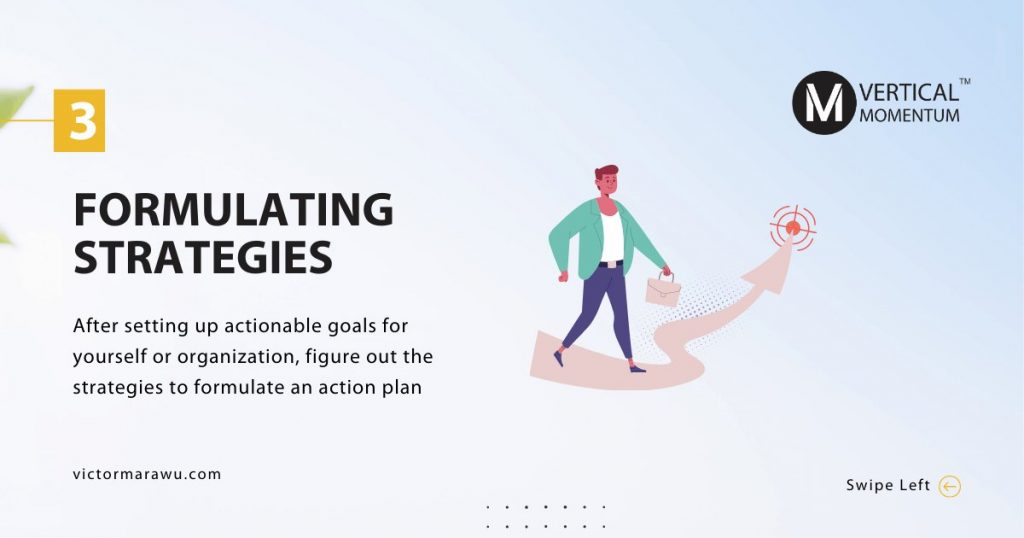
3. Formulating Strategies
After setting up actionable goals for yourself or organization, now let’s figure out the strategies to formulate an action plan. Perform a properly contextualised Strength, Weaknesses, Opportunities and Threats (SWOT) analysis to understand your current and possible future limitations as well as your immediate leverage.
Try to mitigate risks and anticipate challenges by scanning your environment using for example the Political, Environmental, Sociological, Technological, Economical and Legal (PESTEL) framework appropriately.
Any effective strategy must be inclusive at an organizational level, repeatable and adjustable. Things may change, you should also be prepared to change along with them.
4. Putting Together Resources
Just because you have actionable goals and a suitable action plan to go with them, resources aren’t going to come your way based on that merit.
Either human or material, your plan to access those resources should be as elaborate as your overall plan. This is an area where many people base their excuses on, should they fail to achieve set resolutions.
Do things differently. Is it an injection of cash or service of an experienced real estate agent that you need to move into a new office, or help with the right blend of a low-calorie diet? Identify repeatable steps, and potential collaborations you need to actively and assertively pursue. And plan to do it for the long haul.
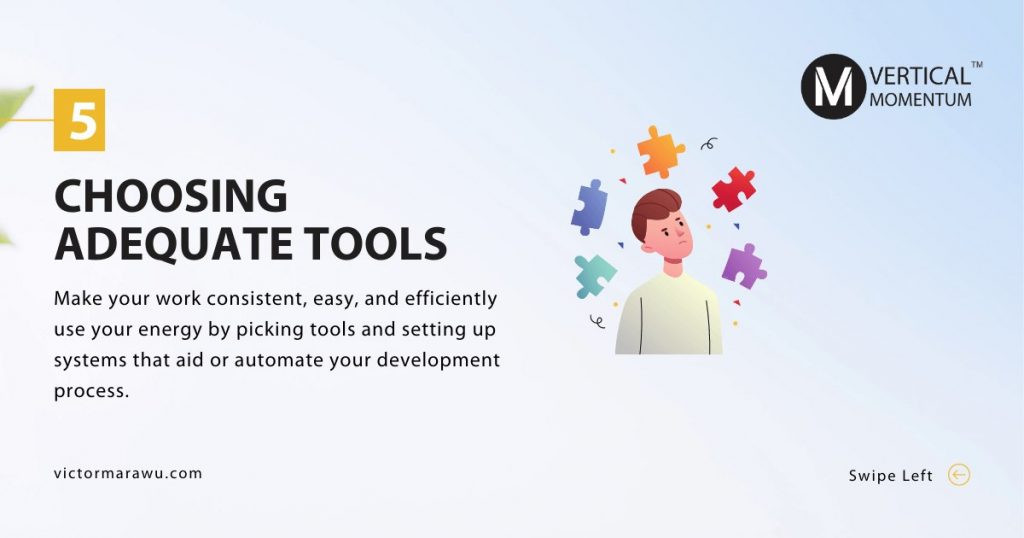
5. Choosing adequate tools and systems
Make your work consistent, easy, and efficiently use your energy by picking tools and setting up systems that aid or automate your development process.
For example, if it’s the resolution of moving to a new office, think about the dynamics and working relationships of the team you need to get it going. How are you going to fit conversations or the gathering of material resources seamlessly into your already packed schedule?
If it’s about the goal of taking less calories, consider which mobile application or other technological tools you can use to help the process. How will you actively and consistently take up those meals?
Try out a few tools and systems to understand the ones that work best for you and be unafraid to change if you find something that improves your processes.
6. Everyday execution
By now, you just about have everything you need to get going. And go all in. Small and repeated efforts are always better than revolutionary changes. Plan to show up every day to make your resolutions a reality, you owe it to yourself.
If you need extra help and motivation to stay on the course, try finding a partner or accountability buddy to keep you in check.

7. Monitoring your progress
Identifying a stitch in time always saves you nine. Cultivate a habit of regularly checking your progress and identifying potential opportunities to maximise, or roadblocks to circumvent.
How often and what kind of meetings can you set up in your organization to streamline the reporting and evaluation processes? What’s your feedback process? Your ability to measure progress in real-time and flexibility to change, will in many ways fasten the process of achieving your goals.
8. Measuring your success
Measuring success is not to be confused with monitoring your progress. The former happens at the expiration of an agreed timeline for the set resolutions whereas the latter should be done in real-time.
With SMART goals, measuring success becomes intuitive. As you do so, also own up to your failures and identify lessons to use in repeating your process or when setting other resolutions for the new year.
At the end of the day, achieving your set goals is paramount but progress is also worth the effort. Reward yourself or team for both and go again next time.
Putting the ball back in your court
The new year’s optimism is great but don’t be limited to setting resolutions for when only the calendar says so, you can always start-over from where you’re. By taking lessons from past efforts, setting actionable goals and plans, formulating execution strategies, putting together resources and measuring your progress and success; you give your resolutions power and set yourself up for unstoppable success.
The first 10 organisations or people to email excel@verticalmomentum.org with a request, referencing this article will be given our specialised and customisable Personal Execution Matrix (PEM) tool, for free.
How will you achieve your resolutions for the new year?